Introduction
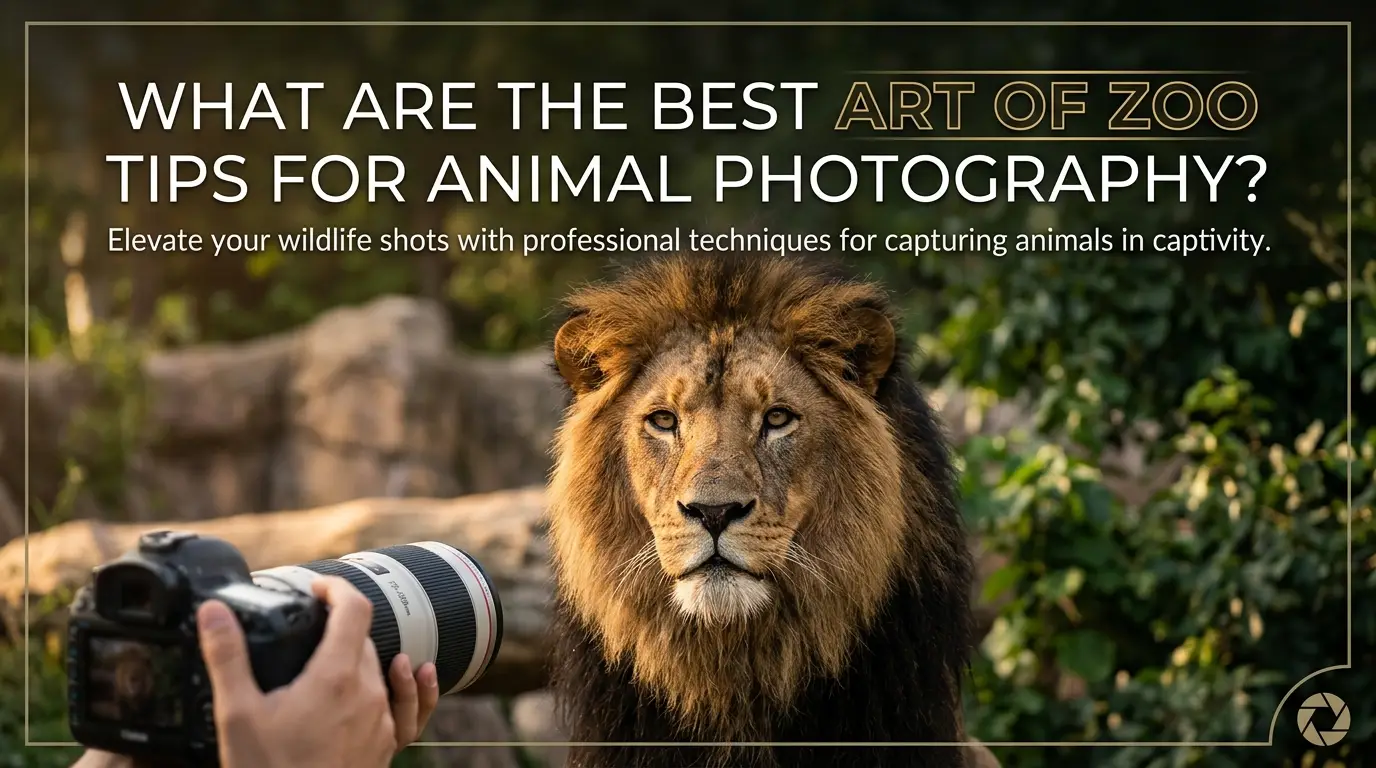
Animal photography captures animal behavior, movement, habitat, and personality through visual storytelling. Zoo photography gives photographers controlled access to wildlife species such as lions, giraffes, tigers, parrots, and reptiles without traveling to remote natural habitats. This environment helps beginners and professionals practice composition, lighting, focus control, and behavioral observation.
The art of zoo photography depends on patience, timing, camera settings, and ethical photography practices. Strong animal photographs highlight details such as eye contact, fur texture, feather patterns, and motion. Professional wildlife photographers use technical planning and animal awareness to create images that look natural even inside managed zoo environments.
Zoo photography also improves wildlife education and conservation awareness. Organizations such as the World Association of Zoos and Aquariums support responsible wildlife education through zoological institutions. Source: World Association of Zoos and Aquariums.
What Is Zoo Animal Photography?
Zoo animal photography is the practice of capturing animals inside zoological parks using photography techniques that emphasize behavior, detail, movement, and environmental storytelling.
Zoo photography combines wildlife photography principles with controlled environmental conditions. Photographers work with enclosure barriers, artificial lighting conditions, visitor movement, and animal activity schedules. These variables influence camera positioning, exposure settings, and composition choices.
Animal subjects inside zoos include mammals, birds, reptiles, amphibians, and aquatic species. Each species requires different shooting strategies. Fast-moving primates require high shutter speeds, while reptiles allow slower and more detailed composition work. Understanding species behavior improves timing accuracy and image quality.
Why Does Zoo Photography Help Improve Wildlife Photography Skills?
Zoo photography improves wildlife photography skills because it provides repeated access to animal subjects in predictable environments.
Wildlife photography in natural habitats depends heavily on travel, weather, and animal migration patterns. Zoo environments remove many unpredictable variables and allow photographers to practice technical skills consistently. This repeated exposure strengthens focus tracking, exposure control, and framing accuracy.
Zoo environments also help photographers study animal posture and behavior. Observing feeding schedules, resting patterns, and movement routines teaches anticipation skills. Professional wildlife photographers use anticipation to capture eye contact, jumping sequences, and social interaction moments.
Source: National Geographic wildlife photography educational resources.
What Camera Equipment Works Best for Zoo Animal Photography?
Telephoto lenses, fast autofocus cameras, and image stabilization systems work best for zoo animal photography.
The following table compares common zoo photography equipment.
| Equipment | Primary Function | Recommended Range |
|---|---|---|
| Telephoto lens | Captures distant animals | 70–300 mm |
| Fast autofocus camera | Tracks moving animals | 8–20 FPS |
| Wide aperture lens | Improves low-light performance | f/2.8–f/5.6 |
| Monopod | Stabilizes heavy lenses | Adjustable height |
| Polarizing filter | Reduces glass reflections | Circular CPL |
What Is the Best Lens for Zoo Photography?
A telephoto zoom lens between 70 mm and 300 mm captures animal details without disturbing the subject.
Large zoo enclosures create significant shooting distance between the photographer and the animal. Telephoto lenses compress the background and isolate subjects more effectively than standard kit lenses. This isolation improves visual focus on eyes, fur, scales, or feathers.
Prime lenses such as 300 mm f/2.8 also improve subject sharpness and low-light capability. These lenses produce shallow depth of field and soft background blur. Wildlife photographers frequently use this technique to separate animals from enclosure distractions.
What Camera Settings Improve Animal Photography?
Fast shutter speed, continuous autofocus, and burst shooting improve animal photography results.
Moving animals require shutter speeds between 1/500 and 1/2000 second to freeze motion accurately. Birds, monkeys, and large cats move unpredictably, making motion control essential for sharp images. Slow shutter speeds create motion blur during active behavior.
Continuous autofocus systems track moving subjects in real time. Burst mode captures multiple frames per second, increasing the chance of capturing ideal eye contact or movement timing. Modern mirrorless cameras use animal eye detection systems for faster subject tracking.
How Can Photographers Take Natural Looking Zoo Photos?
Photographers create natural looking zoo photos by hiding barriers, controlling background distractions, and using realistic composition angles.
Zoo environments contain fences, artificial rocks, visitor pathways, and enclosure structures. These elements reduce realism when included carelessly in the frame. Professional zoo photographers use shallow depth of field and tight framing to remove distracting details.
Shooting at the animal’s eye level creates stronger emotional connection and realism. Eye-level photography gives animals visual presence and natural perspective. This angle also improves storytelling quality and audience engagement.
How Can Fence Visibility Be Reduced?
Wide apertures and close positioning reduce fence visibility in zoo photographs.
Photographers position the lens close to enclosure mesh while using apertures such as f/2.8 or f/4. The shallow depth of field blurs foreground fencing until it becomes nearly invisible. This technique works especially well with telephoto lenses.
Manual focus also improves fence avoidance. Autofocus systems occasionally lock onto mesh instead of the animal. Switching to single-point focus increases subject precision and reduces focus errors.
How Can Reflections on Glass Be Avoided?
Lens hoods and angled shooting positions reduce glass reflections in indoor zoo exhibits.
Aquariums, reptile houses, and nocturnal exhibits commonly use protective glass panels. Overhead lighting and visitor movement create unwanted reflections across the surface. These reflections lower image clarity and contrast.
Photographers improve clarity by shooting from side angles rather than directly facing the glass. Polarizing filters also reduce reflected light intensity. Lower ISO settings preserve detail quality in darker indoor environments.
What Lighting Conditions Work Best for Animal Photography?
Soft natural light during morning and late afternoon creates the best animal photography conditions.
Harsh midday sunlight creates deep shadows and excessive highlights across animal fur and feathers. Early daylight hours produce balanced contrast and warmer tones. Many zoo animals also become more active during cooler morning periods.
Cloudy weather improves wildlife portraits because cloud cover acts as natural light diffusion. Diffused light preserves texture detail across animal skin, eyes, and fur patterns. Portrait photographers frequently prefer overcast conditions for this reason.
Source: Professional Photographers of America lighting education materials.
How Does Animal Behavior Improve Better Photography Timing?
Understanding animal behavior improves photography timing because predictable patterns help capture meaningful moments.
Animals repeat specific activities throughout the day such as feeding, grooming, resting, and social interaction. Observing these patterns helps photographers prepare camera settings before movement begins. Anticipation increases sharpness and compositional accuracy.
Predatory species such as tigers and lions become visually expressive during feeding periods or environmental stimulation. Birds become more dynamic during flight movement or vocal interaction. Timing behavioral moments creates stronger storytelling photographs.
What Animal Behaviors Create Strong Images?
The following behaviors create visually engaging animal photographs.
• Eye contact with the camera
• Parent and offspring interaction
• Feeding activity
• Running or jumping movement
• Wing expansion in birds
• Social interaction between animals
These moments create emotional depth and visual narrative. Wildlife storytelling photography depends heavily on authentic behavior capture.
How Can Composition Improve Zoo Photography?
Strong composition improves zoo photography by directing visual attention toward the animal subject.
Composition controls subject placement, background balance, and viewer focus. Wildlife photographers use framing techniques to emphasize animal posture, motion direction, and eye contact. Clean composition improves emotional impact and image professionalism.
The rule of thirds remains one of the most effective composition methods in animal photography. Positioning the animal’s eyes along upper grid intersections creates balanced visual structure. This arrangement improves viewer attention naturally.
What Backgrounds Improve Animal Portraits?
Clean and distant backgrounds improve animal portraits by reducing visual distraction.
Busy backgrounds containing fences, signs, and visitors weaken subject isolation. Blurred greenery, rocks, or sky tones create stronger separation between the animal and the environment. Telephoto compression further improves background softness.
Natural colored backgrounds also strengthen realism. Earth tones, vegetation, and water features support wildlife aesthetics more effectively than artificial structures or bright man made objects.
What Ethical Practices Should Zoo Photographers Follow?
Zoo photographers should respect animal welfare, follow zoo regulations, and avoid disruptive behavior.
Ethical wildlife photography prioritizes animal safety over image capture. Flash photography disturbs sensitive species such as reptiles, nocturnal mammals, and birds. Many zoological institutions restrict flash use for this reason.
Photographers should also avoid tapping on glass, making loud noises, or attempting to provoke animal reactions. Ethical photography supports conservation awareness and respectful wildlife observation. Organizations such as World Wildlife Fund promote responsible wildlife engagement practices.
Source: World Wildlife Fund conservation guidelines.
What Are Common Mistakes in Zoo Animal Photography?
Poor lighting control, distracting backgrounds, and incorrect focus settings are common zoo photography mistakes.
New photographers frequently center every subject without considering environmental balance. This creates static compositions with weak storytelling. Better framing improves subject movement direction and emotional depth.
Another common mistake involves using slow shutter speeds for moving animals. Motion blur reduces sharpness around eyes and facial detail. Increasing shutter speed improves movement capture significantly.
What Technical Errors Reduce Photo Quality?
The following technical mistakes reduce animal photography quality.
• Using automatic flash indoors
• Shooting through dirty glass surfaces
• Using high ISO without noise control
• Missing focus on animal eyes
• Cropping excessively during editing
• Ignoring background distractions
Correcting these errors improves image sharpness, realism, and professional presentation.
What Editing Techniques Improve Zoo Animal Photos?
Color correction, sharpness adjustment, and exposure balancing improve zoo animal photographs during editing.
Photo editing software such as Adobe Lightroom and Adobe Photoshop helps photographers refine image quality while preserving realism. Editing improves detail visibility, lighting balance, and subject emphasis.
Sharpening tools improve fur texture, feather details, and eye clarity. Exposure adjustments recover highlight and shadow information lost during difficult lighting conditions. Cropping also strengthens composition by removing distractions near the frame edges.
Professional wildlife editing maintains realistic animal appearance. Excessive saturation and overprocessing reduce authenticity and natural visual texture.
Unique FAQs
What is the best time to photograph animals at a zoo?
Morning hours between 8 AM and 11 AM provide the best zoo photography conditions because animals remain more active and sunlight stays softer.
Do professional photographers use zoos for wildlife practice?
Yes, professional wildlife photographers use zoos to practice camera settings, movement tracking, and behavioral observation techniques.
Why do zoo photos sometimes look unnatural?
Zoo photos look unnatural when fences, artificial structures, or harsh lighting remain visible inside the composition.
Which animals are easiest for beginner zoo photographers?
Large mammals such as giraffes, zebras, and elephants are easier for beginners because they move predictably and remain visible longer.
Does rainy weather improve zoo photography?
Yes, rainy and overcast weather improves zoo photography because diffused light preserves texture detail and reduces harsh shadows.
What aperture works best for animal portraits?
Wide apertures between f/2.8 and f/5.6 create strong subject isolation and soft background blur in animal portraits.
Why is eye focus important in animal photography?
Sharp eye focus creates emotional connection and improves subject realism in wildlife portraits. According to National Geographic photography training resources, eye sharpness remains a critical wildlife photography standard.
Should photographers edit zoo animal photos heavily?
No, realistic editing preserves authentic animal appearance and maintains professional wildlife photography standards.