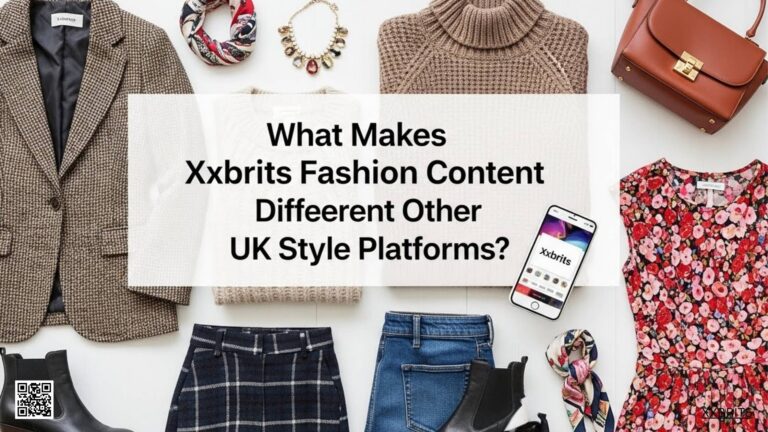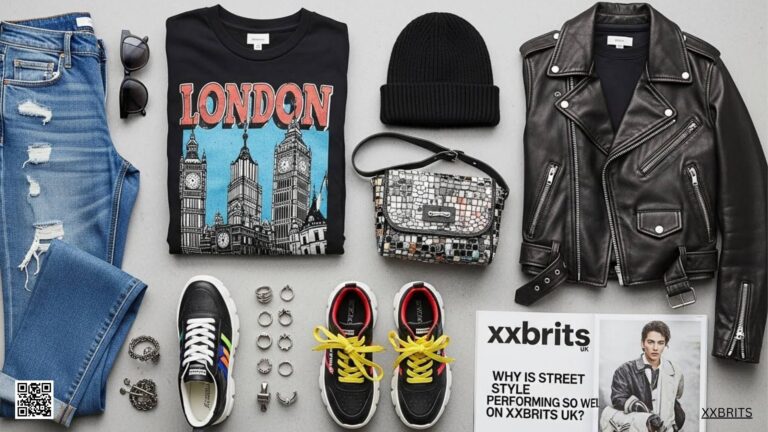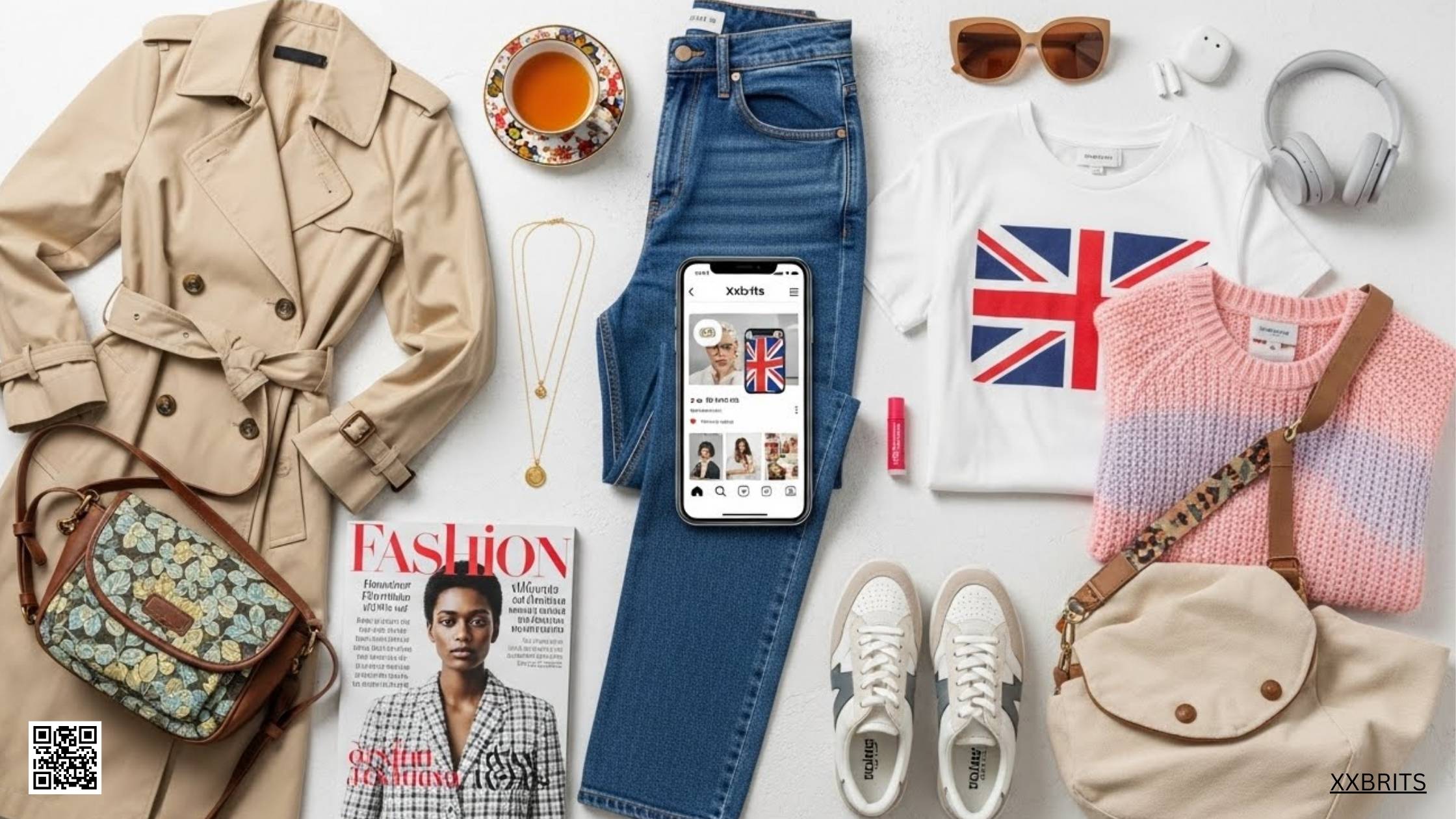
Creators on XXBRITS shape everyday British fashion trends by turning ordinary outfits, real routines, and local style habits into visible, repeatable choices that people recognise and copy. Instead of pushing runway looks or polished campaigns, we see creators wearing clothes the way most people actually live in them, on the school run, commuting, popping to Tesco, or heading out after work. That visibility changes what feels normal, wearable, and worth buying across the UK.
What makes this matter is scale and proximity. When everyday people see someone like them styling a bomber jacket, knit vest, or pair of trainers in a familiar setting, it feels achievable. Over time, those repeated visuals guide what brands stock, what shops promote, and what ends up becoming part of everyday British dress.
Understanding how XXBRITS fits into British fashion culture
XXBRITS sits in a very British space. It reflects how people actually dress rather than how fashion houses say they should dress. The platform gives room to regional voices, personal taste, and social habits that shape clothing choices in the UK.
British fashion has always been grounded in practicality. Weather, transport, work culture, and social norms all play a part. What creators post here tends to reflect that reality.
Instead of trend cycles driven by Paris or Milan, we see style decisions influenced by:
- Local high streets
- Charity shops and vintage rails
- Weather shifts across regions
- Workplace dress codes
- Social media visibility among peers
Creators don’t need to explain trends. They show them happening.
Why everyday creators carry more influence than big campaigns
People trust familiarity. When style advice comes from someone with a similar lifestyle, budget, or background, it lands differently.
Creators on XXBRITS tend to share:
- Daily outfit clips filmed at home
- Styling changes across the same week
- Rewearing the same pieces in different ways
- Honest reactions to fit, comfort, and quality
That consistency builds credibility. Over time, it shapes what feels current without saying it out loud.
A coat worn three times in a week across different creators becomes a talking point. A pair of trainers seen on multiple body types starts to feel like a safe choice. That’s how influence spreads in real life.
The role of repetition in shaping British fashion habits
Repetition matters more than novelty. British style trends often settle in quietly rather than explode overnight.
On XXBRITS, creators repeat:
- Neutral colour palettes
- Layering techniques for unpredictable weather
- Practical footwear choices
- Relaxed tailoring for work and casual wear
When the same styling ideas show up again and again, they stop feeling like content and start feeling like normal behaviour.
This is especially noticeable with:
- Oversized knitwear
- Wide leg trousers
- Crossbody bags
- Lightweight jackets
- Low profile trainers
None of these are new. What changes is how often people see them worn by others they relate to.
How regional voices shape what “British style” looks like
British fashion isn’t one thing. London, Manchester, Birmingham, Leeds, and coastal towns all dress differently.
Creators bring regional detail into the mix:
- Northern creators often focus on layering and durability
- London-based creators mix workwear with casual staples
- Smaller towns highlight high street fashion and local shops
- Coastal areas lean into relaxed fits and lighter fabrics
Because XXBRITS doesn’t flatten these differences, trends develop with texture. Viewers see options rather than instructions.
This variety helps avoid a single narrow idea of style and keeps trends flexible across the country.
Social proof and why viewers start copying outfits
When creators interact with comments, repost outfit responses, or show variations requested by followers, something interesting happens. Fashion stops being broadcast and becomes conversational.
Social proof builds through:
- Comments asking where items are from
- Other creators recreating similar looks
- Viewers tagging friends
- Brands noticing patterns in engagement
Once enough people show interest in the same style choice, it moves from personal taste to shared preference.
That’s how everyday fashion decisions start influencing retail and marketing choices.
How British brands react to creator-led fashion shifts
Small and mid-sized British brands watch creator behaviour closely. It’s cheaper, faster, and more accurate than traditional trend forecasting.
What brands notice:
- Which items creators rewear
- What sells out after repeated posts
- Which fits perform best across body types
- How price sensitivity shows up in comments
Instead of planning seasons years ahead, brands adjust in real time. That responsiveness keeps fashion closer to how people actually dress.
The impact of realism on buying decisions
One key reason creators shape trends is honesty. Clothes crease, shoes scuff, knits bobble. When creators don’t hide that, viewers trust them more.
Realism shows up in:
- Unfiltered mirrors
- Natural lighting
- Clothes worn after washing
- Footwear used daily, not styled once
That realism changes buying behaviour. People become less interested in perfect images and more interested in practicality.
This shift encourages:
- Fewer impulse buys
- More repeat wear
- Preference for versatile pieces
Over time, that changes what becomes fashionable.
How creators influence styling rather than just products
It’s not only about what people buy. It’s how they wear it.
Creators influence:
- How to layer for spring and autumn
- How to mix workwear with casual items
- How to restyle older pieces
- How to dress comfortably without looking underdressed
That guidance matters in a country where dress codes are often unspoken.
People learn what works in real situations by watching others navigate them.
Read: Why Is Street Style Performing So Well On Xxbrits UK?
Everyday fashion signals creators help normalise
Certain choices used to feel risky or niche. Repeated creator content makes them feel safe.
Examples include:
- Trainers with tailored trousers
- Flat shoes for nights out
- Neutral outfits without statement pieces
- Mixing high street and second hand items
- Wearing the same outfit multiple times
These signals quietly redefine what British fashion accepts as normal.
How short-form video changes trend speed
Short-form video accelerates visibility but doesn’t force change. It allows viewers to absorb style ideas at their own pace.
Creators post:
- Quick outfit transitions
- One-item styling clips
- Before and after comparisons
- Seasonal wardrobe edits
Because these videos are easy to consume, trends spread without pressure. People adopt ideas when they’re ready.
That slower adoption suits British fashion culture, which often resists extremes.
The relationship between creators and high street fashion
High street brands often mirror what creators wear rather than lead.
Creators highlight:
- Fit issues
- Fabric quality
- Size availability
- Price value
When these points repeat, brands respond by adjusting designs or stock.
This feedback loop helps everyday fashion stay relevant without losing its grounding.
How everyday fashion trends move from screen to street
Trends don’t start online and end there. They move back and forth.
A look appears on creators
It shows up in shops
People wear it in real life
Creators capture it again
That loop keeps fashion tied to lived experience rather than marketing narratives.
Practical examples of creator-led trend shifts
To make this clearer, here’s how creator influence typically plays out.
| Creator action | Viewer response | Wider impact |
| Rewearing the same jacket | Normalises outfit repetition | Less pressure to overbuy |
| Styling trainers with tailoring | Viewers try it at work | Workwear becomes more relaxed |
| Showing charity shop finds | Increased interest in resale | Growth in second hand shopping |
| Honest sizing feedback | Trust builds | Brands adjust size ranges |
These changes don’t announce themselves. They settle into daily life.
Why British audiences respond differently to fashion influence
British audiences tend to value understatement. Loud trends often meet resistance.
Creators succeed when they:
- Keep outfits practical
- Avoid over styling
- Acknowledge weather and comfort
- Speak casually rather than selling
That tone fits everyday life and keeps fashion approachable.
The long-term effect on British style identity
Over time, creator-led fashion shapes how Britain presents itself.
Style becomes:
- Less formal
- More personal
- More accepting of variation
- More focused on comfort and function
This doesn’t erase individuality. It supports it.
What this means for future fashion trends
As creator platforms grow, fashion influence will likely become more fragmented but more honest.
We’ll see:
- Smaller micro trends rather than big movements
- More regional differences
- Greater focus on longevity
- Continued blending of casual and workwear
That direction reflects how people actually live.
Final thoughts on creators shaping everyday British fashion
Creators on XXBRITS shape everyday British fashion trends not by dictating style, but by reflecting it. They show what people already wear, how they adapt it, and why it works in real situations.
That visibility turns individual choices into shared habits. Over time, those habits become the trends people recognise across the UK.
Fashion doesn’t change because someone says it should. It changes because enough people quietly start doing the same thing.