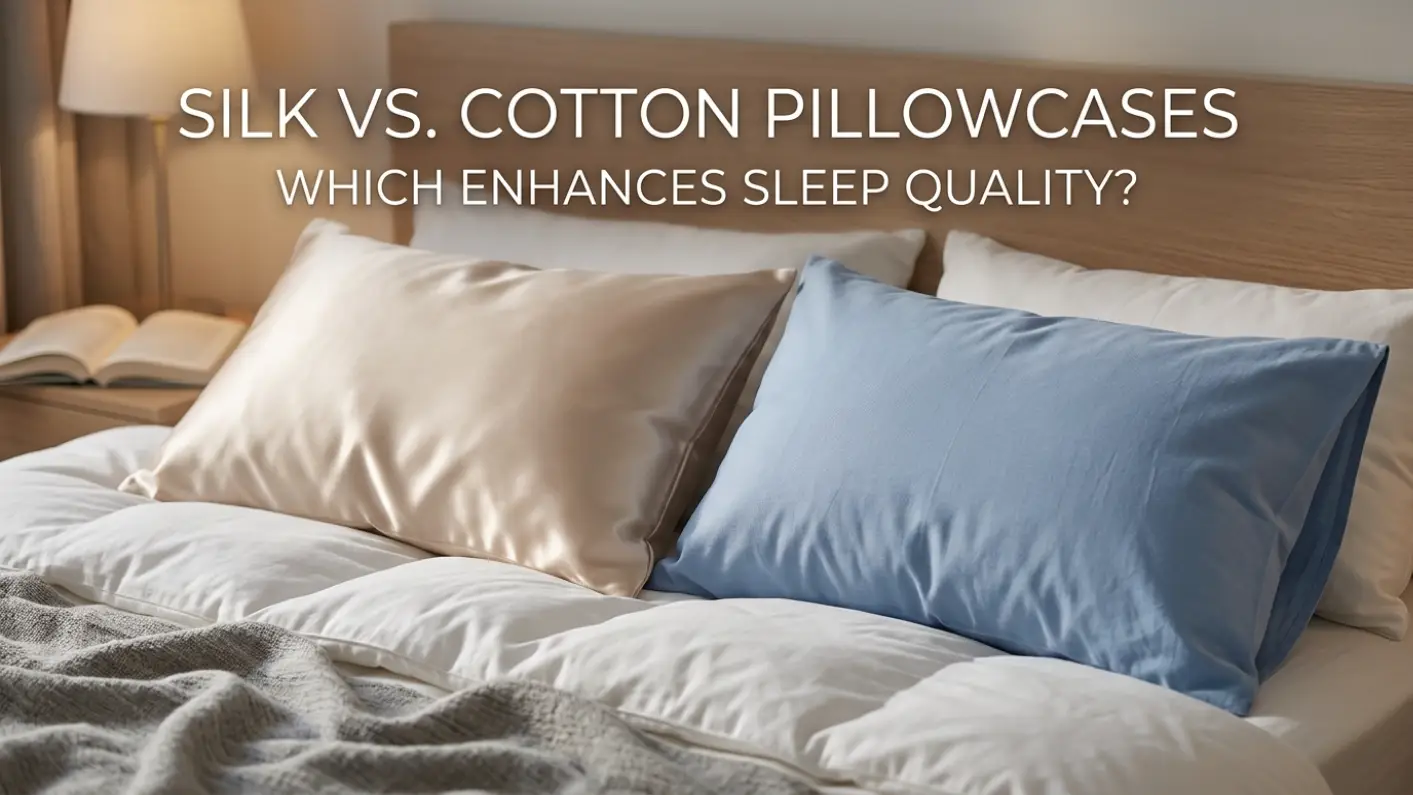
Your sleep environment plays a far more significant role in your overall health than most people realize. From room temperature to lighting, every detail contributes to how well you rest and recover each night. Yet one often-overlooked factor sits right beneath your head for roughly eight hours: your pillowcase material. Could something as simple as the fabric against your face actually influence how deeply you sleep, how refreshed you wake, and even how your skin and hair look over time? For health-conscious individuals seeking every advantage in their nightly routine, this question deserves a thorough answer. Silk and cotton stand as the two most popular pillowcase materials, each bringing distinct properties to the bedroom. This article delivers a detailed, evidence-informed comparison of both fabrics across the criteria that matter most — comfort, hygiene, temperature regulation, and their real impact on sleep quality. Whether you struggle with restless nights, sensitive skin, or simply want to optimize your sleep setup, the insights ahead will help you make a confident, informed decision.
The Science Behind Sleep and Pillowcase Materials
During a typical night’s sleep, your face and hair spend hours in direct contact with your pillowcase, creating a dynamic interaction that most sleepers never consciously consider. Yet this prolonged contact triggers measurable physical effects that accumulate over time and influence how restful your sleep actually becomes.
Friction is the first critical factor. As you shift positions throughout the night — most people move between 20 and 40 times — your skin and hair drag across the pillowcase surface. High-friction fabrics create tugging forces that can disrupt delicate facial skin, contribute to sleep creases, and cause hair breakage or frizz. Lower-friction materials allow smoother movement, reducing the micro-disturbances that can pull you toward lighter sleep stages.
Moisture management represents another essential consideration. Your skin releases moisture and natural oils throughout the night, and your pillowcase either absorbs, wicks, or repels that moisture. A fabric that absorbs too aggressively can dehydrate your skin and create a damp environment conducive to bacterial growth. Conversely, materials that regulate moisture without over-absorbing help maintain a balanced microclimate around your face.
Temperature regulation ties these elements together. The ideal sleep surface stays cool enough to support your body’s natural thermoregulation without trapping excess heat. A silk pillowcase, for instance, naturally adapts to ambient temperature differently than cotton does, creating distinct thermal experiences. When your pillowcase helps maintain a comfortable temperature zone, you spend more time in restorative deep sleep rather than waking from overheating. Understanding these material properties — friction coefficient, moisture behavior, and thermal conductivity — provides the framework for meaningfully comparing silk and cotton as sleep surfaces.
Silk Pillowcases: Benefits and Features for Enhanced Sleep
Silk pillowcases have earned a devoted following among sleep enthusiasts, and the reasons extend well beyond luxury branding. The surface of a silk pillowcase is remarkably smooth at a microscopic level, which translates to significantly less friction against your skin and hair compared to most woven fabrics. For sleepers who wake with facial creases, puffy skin, or tangled hair, this reduced drag can produce noticeable improvements within just a few weeks of consistent use. The protein structure of silk fibers also makes them naturally hypoallergenic — they resist dust mites, mold, and fungal growth, which is particularly valuable for anyone managing allergies or sensitive skin conditions that worsen overnight.
Temperature control is another area where silk excels as a sleep surface. The fiber’s natural breathability allows it to stay cool in warm conditions while retaining gentle warmth during colder months, adapting to your body’s needs rather than working against them. This thermoregulating quality supports uninterrupted sleep cycles by preventing the overheating episodes that commonly fragment rest during the second half of the night. Beyond function, silk pillowcases are available in a wide range of silk patterns and finishes — brands like SilkSilky offer options that make it easy to match your bedroom aesthetic while investing in genuine silk sleep solutions that serve both beauty and wellness goals.
Practical Aspects: Hidden Zipper vs. Envelope Closure
When choosing a silk pillowcase, the closure design matters more than many buyers expect. A hidden zipper pillowcase keeps the pillow fully enclosed, preventing it from slipping out during restless nights and creating a cleaner, more streamlined look on the bed. The zipper sits discreetly along one edge, so you never feel hardware against your skin. An envelope closure, by contrast, uses an overlapping fabric flap to secure the pillow without any fasteners. This design simplifies washing and tends to be slightly more durable over time since there are no zipper teeth to snag delicate silk fibers. Health-conscious sleepers who prioritize low-maintenance care often prefer the envelope style, while those who value a perfectly snug fit and polished appearance lean toward the hidden zipper. Either option works well — the key is matching the closure to your personal sleep habits and laundry routine.
Cotton Pillowcases: Pros and Cons for Sleep Quality
Cotton remains the most widely used pillowcase fabric worldwide, and its popularity is well earned in several respects. As a natural fiber, cotton is inherently breathable, allowing air to circulate through its woven structure and helping dissipate heat during the night. This makes it a reasonable choice for sleepers who run warm, though it lacks the adaptive thermoregulation that silk provides across varying temperatures. Cotton is also exceptionally easy to care for — most cotton pillowcases withstand machine washing at high temperatures, making them practical for households that prioritize straightforward laundry routines. The fabric softens with repeated washing, and its widespread availability means health-conscious consumers can find organic and chemical-free options without difficulty.
However, cotton’s drawbacks become apparent when evaluated through the lens of sleep quality optimization. The fiber’s textured surface generates considerably more friction than silk, which means more tugging on facial skin and hair throughout the night. Over time, this friction contributes to sleep creases that can deepen into permanent lines, and it accelerates hair breakage — particularly for those with curly, textured, or chemically treated hair. Cotton is also highly absorbent, pulling moisture and natural oils away from your skin and into the fabric itself. While this might sound beneficial, it often leads to dehydrated skin by morning and creates a damp environment within the pillowcase that can harbor bacteria if not washed frequently. For sleepers with acne-prone or sensitive skin, this moisture retention can aggravate existing conditions rather than support healing during rest. Cotton pillowcases serve well as an accessible, budget-friendly baseline, but when comfort and skin health are priorities, their limitations become harder to overlook compared to silk alternatives.
Direct Comparison: Silk vs. Cotton Based on Sleep Criteria
When placed side by side across the criteria that matter most to health-conscious sleepers, silk and cotton reveal clear differences in performance. In terms of comfort, silk’s ultra-smooth surface creates a frictionless sleeping experience that minimizes skin irritation and hair damage, while cotton’s textured weave generates noticeably more drag — a distinction that compounds over months and years of nightly use. For hygiene, silk’s natural resistance to dust mites, bacteria, and mold gives it a decisive edge over cotton, which absorbs and retains moisture that can become a breeding ground for microorganisms between washes.
Durability presents a more nuanced picture. Cotton withstands aggressive laundering and maintains its integrity through hundreds of wash cycles, making it the lower-maintenance option. Silk requires gentler care but rewards that attention with years of consistent performance when handled properly. Regarding temperature regulation, silk adapts dynamically to your body heat — cooling you when warm and insulating gently when cool — whereas cotton provides steady breathability without that same adaptive response. The impact on sleep cycles ultimately favors silk: by reducing friction-related micro-awakenings, maintaining optimal moisture balance on the skin, and supporting stable temperature throughout the night, silk pillowcases create conditions more conducive to sustained deep and REM sleep. Cotton performs adequately as a baseline sleep surface, but for sleepers actively seeking to elevate their rest quality, it falls short of what silk consistently delivers.
Practical Solutions and Steps for Health-Conscious Sleepers
Choosing the right pillowcase starts with identifying your primary sleep concern. If you wake with irritated skin, acne flare-ups, or deepening facial creases, switching to a silk pillowcase addresses the root cause by eliminating excessive friction and moisture absorption. For those dealing with hair breakage, frizz, or thinning — especially with textured or color-treated hair — silk sleep solutions provide immediate protective benefits that compound over weeks of use. Sleepers who run hot or experience night sweats benefit from silk’s adaptive temperature properties, which prevent the heat buildup that cotton tends to trap against the skin.
Once you’ve selected your material, proper maintenance ensures longevity and hygiene. Wash silk pillowcases every seven to ten days using a gentle, pH-neutral detergent in cold water — hand washing or a delicate machine cycle both work well. Avoid wringing the fabric; instead, press water out gently and air dry flat. For cotton pillowcases, wash weekly at higher temperatures to eliminate accumulated bacteria and oils. Regardless of material, rotating between two pillowcases extends the life of each and ensures you always have a fresh option ready. To integrate this upgrade into your sleep routine, pair your new pillowcase with consistent sleep timing and a cool bedroom environment, allowing the material’s benefits to work alongside your body’s natural recovery processes for measurably better rest.
Why Silk Wins for Better Sleep and Long-Term Health
The evidence across every meaningful sleep criterion — friction, moisture management, temperature regulation, hygiene, and impact on sleep cycles — consistently favors silk as the superior pillowcase material for health-conscious sleepers. While cotton remains a perfectly functional and accessible option, its higher friction, tendency to absorb skin moisture, and less adaptive thermal properties place it at a clear disadvantage for anyone actively working to improve their rest quality. Silk pillowcases reduce the micro-disturbances that fragment sleep, protect skin and hair from cumulative damage, and create a cleaner sleeping surface that resists allergens and bacteria between washes.
For sleepers dealing with sensitive skin, hair concerns, temperature fluctuations, or simply a desire to wake feeling more refreshed, investing in a quality silk pillowcase represents one of the simplest yet most impactful upgrades available. The material you rest your face against every night is not a trivial detail — it is a consistent, compounding influence on your health. Make your choice deliberately, care for your pillowcase properly, and let this small change contribute to meaningfully better sleep over the weeks and months ahead.