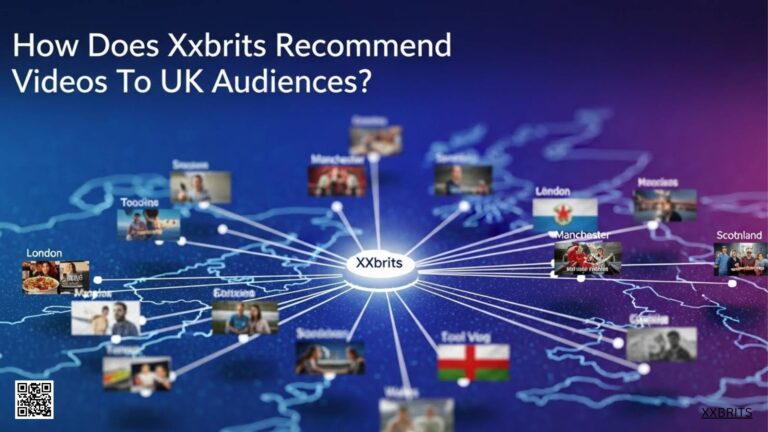
AI plays a practical, behind the scenes role in trend discovery on XXBRITS by spotting patterns in how people watch, react to, and engage with fashion content. It reviews behaviour at scale, picks up early shifts in interest, and helps surface styles, creators, and themes that are gaining momentum before they become obvious to everyone else.
From a user point of view, this means seeing fashion videos that feel current rather than random. From a creator point of view, it means clearer signals about what is starting to resonate with UK audiences right now. Everything is shaped by data, timing, and audience response, not guesswork.
Below, I’ll walk through how this actually works, step by step, in plain terms, and why it matters for both viewers and creators on the platform.
Understanding trend discovery in fashion platforms
Trend discovery is about noticing change early. In fashion, change shows up fast. A new colour, fabric, silhouette, or styling approach can gain traction in days rather than months.
On digital platforms, trends do not start with magazines anymore. They start with short videos, comments, saves, replays, and shares. Platforms like XXBRITS operate in a space where thousands of clips are uploaded daily. No human team could watch everything and still spot early signals.
That is where automated systems come in.
At its simplest, trend discovery is the process of:
- Tracking what people watch and rewatch
- Measuring reactions such as likes, comments, saves, and follows
- Noticing when engagement rises faster than usual
- Grouping similar content together
- Surfacing those patterns to the right audience
The goal is not to force trends, but to recognise them while they are still forming.
How AI processes fashion content at scale
Fashion content is visual, fast moving, and varied. One video might focus on tailoring, another on streetwear, another on vintage resale finds. AI systems handle this volume by breaking content down into smaller signals.
Instead of “watching” a video like a person, the system looks at measurable elements such as:
- Colours appearing in outfits
- Clothing categories like coats, trainers, dresses, or knitwear
- Editing style, camera movement, and pacing
- Captions, hashtags, and spoken words
- Viewer behaviour during playback
This is done using machine learning, which allows patterns to be spotted without being manually defined in advance.
For example, if cropped jackets paired with wide trousers start appearing across unrelated creators, and viewers engage with those clips more than usual, the system flags that combination as something worth paying attention to.
The data signals that reveal early fashion trends
Trend discovery relies on signals rather than opinions. These signals come from how people behave, not what they say they like.
Some of the most useful signals include:
- Watch time: how long viewers stay on a video
- Replays: whether people watch the same clip again
- Saves: a strong signal in fashion, often linked to buying intent
- Comments: especially when viewers ask where items are from
- Follows after viewing a specific post
- Sharing behaviour within the platform
When these signals rise together around similar content, it often points to an emerging trend.
Unlike traditional trend forecasting, this happens in near real time. A shift noticed on Monday can influence what more users see by the end of the week.
Why UK specific data matters on XXBRITS
Fashion tastes vary by location, climate, and culture. What performs well in one country may fall flat in another.
Because XXBRITS focuses on UK audiences, its systems pay close attention to regional behaviour. This includes:
- Seasonal timing based on UK weather
- High street versus designer interest
- Local brand mentions
- Price sensitivity in engagement patterns
- Regional slang or styling references
For example, layering trends often appear earlier in the UK due to weather patterns. AI systems can pick this up through rising engagement on styling videos that focus on coats, scarves, and boots, even before the wider market talks about it.
This local awareness helps keep content relevant rather than generic.
AI driven categorisation of fashion content
One challenge with user generated fashion content is inconsistency. Creators may not tag videos accurately, and some avoid hashtags altogether.
AI helps by grouping content based on what is actually shown and discussed, not just how it is labelled.
Content may be clustered around:
- Outfit types such as workwear, casual, occasion
- Aesthetic styles like minimal, vintage, street inspired
- Materials like denim, leather, knit
- Use cases such as winter layering or event dressing
This categorisation improves trend discovery because patterns are detected even when creators describe their posts differently.
It also helps viewers find content that matches their interests without needing to search manually.
The role of natural language analysis in fashion trends
Captions, comments, and spoken words carry useful clues. Systems use natural language processing to understand how people talk about fashion.
This includes:
- Repeated phrases in comments
- Questions about fit, sizing, or availability
- Mentions of specific brands or product types
- Shifts in language, such as new style names appearing
For instance, if a previously uncommon phrase starts appearing across captions and comments, it may signal a new styling concept or aesthetic gaining attention.
Language analysis adds context to visual signals, making trend detection more accurate.
Visual pattern recognition and styling shifts
Fashion trends are often visual before they are verbal. AI systems analyse frames within videos to detect visual similarities.
This includes recognising:
- Colour palettes appearing more frequently
- Specific garment shapes
- Styling combinations, such as trainers with tailoring
- Accessories that start showing up repeatedly
When similar visual patterns appear across different creators, especially those with different audiences, it suggests organic growth rather than coordinated posting.
This helps XXBRITS surface content that reflects real shifts in taste rather than short term hype.
How engagement speed affects trend discovery
Not all popular content signals a trend. Some videos go viral briefly and then disappear. Trend discovery focuses on momentum, not just volume.
Key indicators include:
- How fast engagement grows after posting
- Whether interest holds over several days
- If new creators start posting similar content independently
AI systems track these changes over time. A slow and steady rise often signals a more lasting shift than a sudden spike.
This approach avoids over promoting one off viral moments and instead highlights patterns that are still building.
Creator behaviour as a trend signal
Creators play a central role in trend formation. Their choices often reflect early awareness of change.
Systems observe creator behaviour such as:
- Switching styling themes
- Posting similar outfits across multiple videos
- Changing captions or presentation style
- Increasing posting frequency around a theme
When multiple creators make similar changes without coordination, it strengthens the case for an emerging trend.
This information also helps creators understand what directions are gaining interest, even if they are not consciously following trends.
Checkout: How Does Xxbrits Balance Creativity And Automation?
Feedback loops between viewers and creators
Trend discovery is not one directional. It works as a feedback loop.
Here is how that loop often looks:
- A few creators post content with a new styling idea
- Viewers respond positively
- AI systems detect rising engagement
- Similar content is shown to more users
- More creators experiment with the style
- The pattern becomes clearer
This loop allows trends to grow naturally rather than being imposed from the top.
On XXBRITS, this helps maintain a sense of authenticity in what appears on feeds.
Comparing trend discovery to other social platforms
Many people are familiar with how platforms like TikTok or Instagram surface trends. The underlying ideas are similar, but the focus differs.
Here is a simplified comparison:
| Platform focus | Primary trend signals | Typical outcome |
| Short video apps | Audio, challenges, viral formats | Fast moving global trends |
| Image led platforms | Visual aesthetics, saved posts | Curated style boards |
| XXBRITS | Fashion behaviour and UK interest | Localised style direction |
By focusing on fashion first rather than general entertainment, XXBRITS keeps trend discovery aligned with what viewers actually want to wear.
Using historical data to spot repeating patterns
Fashion trends often cycle. Colours, cuts, and materials come back with small changes.
AI systems compare current data with past behaviour to identify familiar patterns returning. This might include:
- A rise in interest for styles popular a few years ago
- Renewed attention to older brands or silhouettes
- Seasonal patterns repeating earlier than usual
This does not mean repeating old trends blindly. Instead, it helps recognise when audiences are ready for something familiar again, but presented in a current way.
Personalisation and individual trend exposure
Not every user wants the same trends. One person may prefer tailored looks, another casual street style.
AI driven trend discovery works alongside personalisation. Viewers are more likely to see emerging styles that align with their past behaviour.
This avoids overwhelming users with irrelevant content and keeps discovery feeling natural.
From a creator perspective, it also means reaching viewers who are more likely to appreciate their styling choices.
How trend discovery supports brand visibility
Brands benefit from early trend detection because it highlights how products are being styled organically.
When a brand appears repeatedly within a rising trend, it often happens without paid promotion. Systems notice this and may surface that content more often.
This provides useful feedback to:
- Designers watching consumer response
- Retailers adjusting stock decisions
- Creators choosing which brands to feature
On XXBRITS, this connection between content and commerce remains indirect but informative.
The role of ethical data use in AI systems
Trend discovery relies on aggregated behaviour rather than individual profiling. Patterns matter more than personal identity.
Responsible systems focus on:
- Group level trends rather than personal data
- Anonymous behavioural signals
- Avoiding sensitive personal attributes
This approach allows trend analysis without compromising user trust.
Limitations of AI in fashion trend discovery
AI is a tool, not a taste maker. It cannot understand cultural meaning or emotional impact in the same way people do.
Some limitations include:
- Difficulty interpreting irony or satire
- Missing context behind styling choices
- Over reliance on past data in fast changing moments
Because of this, human judgement still plays a role in shaping platform direction and editorial decisions.
How creators can work with trend signals
Creators do not need to chase every trend. Instead, trend signals can be used as guidance.
Useful approaches include:
- Noticing which posts receive longer watch time
- Reading comments for repeated questions
- Observing which outfits prompt saves
- Experimenting with variations rather than copying
By paying attention to these signals, creators can stay aligned with audience interest while keeping their own style intact.
The future of trend discovery on XXBRITS
As data grows, trend discovery will become more precise rather than more intrusive. The aim is relevance, not noise.
Future improvements may include:
- Faster detection of micro trends
- Better separation between short hype and lasting interest
- Clearer feedback for creators on what resonates
The core idea will remain the same. Listen to behaviour, spot patterns early, and let fashion direction emerge naturally.
Final thoughts
AI driven trend discovery on XXBRITS is about recognising change as it happens. By analysing behaviour, visuals, and language together, the platform can surface styles that feel timely and grounded in real audience interest.
For viewers, this means seeing fashion that feels relevant to their lives. For creators, it offers clearer signals without forcing conformity. When used thoughtfully, these systems support creativity rather than replacing it.